
Get Out On Time!: Efficiency in Patient Care and Charting
Contributor: Jason Hine MD
This podcast focuses on improving efficiency in patient care and charting. Dr. Hine emphasizes structuring the workday to avoid lengthy charting sessions after shifts, thereby improving job satisfaction and reducing burnout. Key strategies include a systematic approach to sign-ups, patient evaluations, and documentation—a method summarized as ‘sign up, see, order, note.’ We also highlightthe importance of real-time charting and provide a guideline for patient touchpoints based on their ESI score, aiming for a balance of initial evaluations and follow-ups to improve care and efficiency.
Keeping your skills up in rare procedures is an uphill battle. Let SimKit do all the heavy lifting with simulation training that delivers to your door once a month. Use coupon code SimKit10 for 10% off
Introduction
In the realm of emergency medicine, efficiency is a critical yet often overlooked component of job satisfaction and professional success. The continuous demands placed on providers necessitate an approach that balances effective patient care with timely and comprehensive documentation. This post will explore strategies for streamlining daily workflows to enhance efficiency and improve job satisfaction, based on practices discussed in the SIM Kit podcast.
The Challenge of Emergency Medicine
Emergency medicine professionals expend significant time and energy caring for patients, often extending their shifts to complete necessary charting and documentation. This additional workload can severely impact job satisfaction, personal quality of life, and contribute to burnout. Consequently, learning how to effectively manage time and responsibilities within a shift is not just advantageous—it is essential.
Creating Efficient Workflows
Charting in real-time can prevent the necessity of staying hours after a shift to complete documentation. Here’s an actionable approach to improve workflow efficiency:
- Sign-Up, See, Order, Note (SSON): Approach patient care by concentrating on signing up for a new patient quickly after seeing the previous one. This not only primes the mind for action but increases the pace at which patients are seen and cared for.
- Structured Patient Interaction: Adopt a strategy of thoroughly examining a patient, providing great bedside manner, and listening actively without distractions. Conclude the interaction by promptly documenting notes and preparing for the next patient.
- Managing Patient Flow: Begin each shift by signing up for your first patient, following up with efficient review and examination. After completing initial tasks, the focus should be on rapidly transitioning to subsequent patients to sustain an efficient pace.

How does this work for multiple patients?
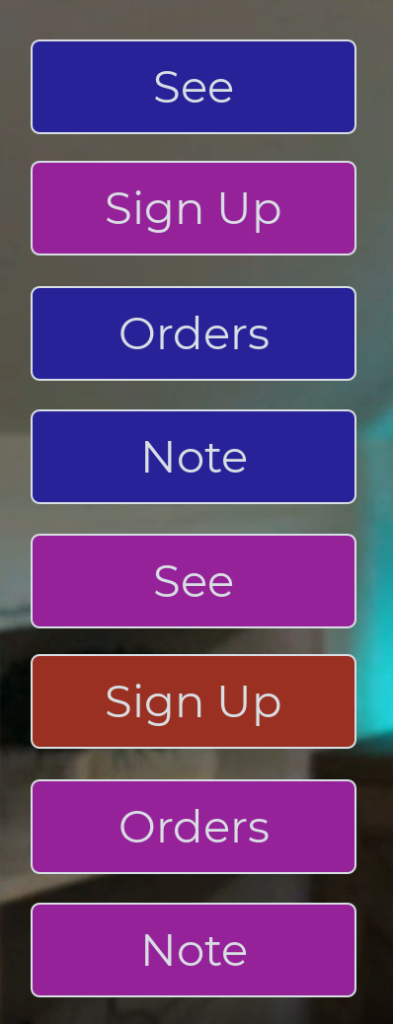
The below picture shows a patient flow through three patients where we see Patient 1 (Blue), sit down and sign up immediately for Patient 2 (Purple), then do Orders and Note for Patient 1, go and see Patient 2, sit down and sign up for Patient 3 (Red), do Orders and Note for Patient 2 and so on and so forth.
Understanding Your Critical Mass
Each healthcare professional has a ‘critical mass’—a threshold of patient volume that they can effectively manage. Determining this threshold depends on experience, patient acuity, and workload:
- Monitor the balance between the number of active patients and their individual needs.
- Adjust workloads when dealing with critically ill patients or complex cases to ensure quality care.
Reevaluation and the "Magic Number"
Patient reevaluation is a necessary and recurring part of care. Employing a ‘magic number’ approach helps determine the required frequency of touchpoints:
- Aim for a total of six touchpoints for a patient, comprising the patient’s ESI (Emergency Severity Index) score and clinician touchpoints. This practice helps justify interaction levels and ensures comprehensive care.
For example, a critically ill patient (ESI 1) might require five touchpoints, effectively consuming more time and resources compared to a less severe case, such as a medication refill (ESI 5) which may need only one touchpoint.
*caveat- these are rough numbers and can and should be adjusted based on patient needs.
Conclusion
Emergency medicine’s dual demands of patient care and timely charting can overwhelm even the most seasoned professionals. By implementing structured workflows, understanding personal thresholds, and judiciously managing patient interactions, healthcare professionals can significantly enhance their efficiency. Ultimately, fostering such an environment aids in achieving a balanced workload, reduces burnout, and, importantly, allows more personal time post-shift—ensuring longevity and satisfaction in one’s medical career.
We hope these strategies offer a framework for improving patient throughput and charting efficiency, strengthening both patient care and personal well-being. Thank you for joining this discussion on enhancing efficiency in emergency medicine.
Subscribe to the Podcast on


Podcast subscription form
"*" indicates required fields